





Session

 Dr.
Dr.10月 4日(日)
10:45 - 12:15
ホール B7(1)
Session 11
Crack the Code: Preventing Fractures in Endodontics
歯根破折のリスクマネジメント:防ぐ、守る、見抜く
高齢社会で増加する歯根破折の背景から症例に応じた対応、補綴設計、最新研究までを横断的に学び、破折を「防ぐ・守る・見抜く」ための臨床力を高めるセッションです。象牙質・歯髄の加齢変化、根管治療歯の修復戦略、破折歯の診断・予防・マネジメントを多角的に整理し、日常臨床における判断と対応の精度を高めるための実践的な視点を共有します。
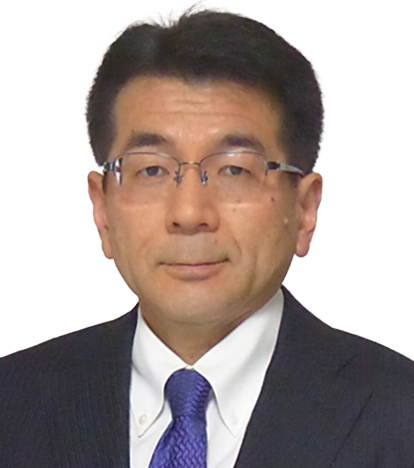
Moderator & Lecturer
Considering root fractures in an aging society
高齢社会における歯根破折を考える
- Increased tooth root fractures with age
- Age-related changes in the dentin-pulp complex
- Points to note when treating root canals in elderly patients
- 加齢に伴う歯根破折の増加について
- 象牙質-歯髄複合体の加齢変化とは
- 高齢者の根管治療の留意点について
歯の保存は、全身の健康維持において極めて重要である。一方、歯の喪失原因の1つに歯根破折があり、加齢に伴ってその頻度は増加傾向で、根管治療処置歯がその多くを占めている。本邦では、70代での根管治療症例数が最も多い。高齢者の歯では、歯髄腔の狭窄や歯質の脆弱化、歯髄の神経伝達の低下などが生じるため根管治療には配慮が必要である。したがって、歯の長期保存のため、歯の加齢変化のメカニズムの解明が求められている。
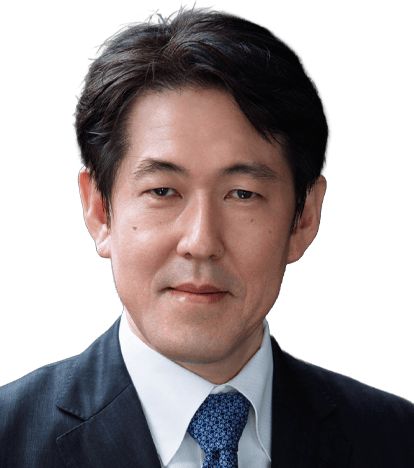
Lecturer
Sustaining Long-Term Success in Endodontic Therapy
歯内療法の成果を永続的に維持するために
- Diagnosis of Cracked Teeth
- Strategies for Preventing Vertical Root Fractures
- Management of Fractured Teeth
- 破折歯の診断
- 歯根破折の予防策
- 破折歯への対応
歯内療法が奏功しない大きな要因として歯根破折の存在があげられるため、その診断は非常に重要である。では、歯根破折イコール即抜歯かと問われれば、私の臨床では必ずしもそうではない。また、自身が歯内療法を行った歯を長期的にかつ良好に機能させるためには、歯根破折を惹起しない細やかな配慮が欠かせない。今回は歯根破折の診断のポイントと歯根破折を発見した際の対応、筆者が考える歯根破折の予防策を呈示してみたい。


Lecturer
Modern Restorative Strategies for Endodontically Treated Teeth
Modern Restorative Strategies for Endodontically Treated Teeth
- Evidence based evaluation of restorative options for endodontically treated teeth (ETT)
- Clinical advantages and indications of endocrowns as a conservative alternative
- Step by step clinical decision making protocol for predictable long term outcomes
- エビデンスに基づく根管治療歯に対する修復オプション
- エンドクラウンの利点と適応について
- 長期的に安定した結果を得るための臨床判断ステップ
根管治療後の歯をどう修復するかは、現在でも臨床において歯科医師が直面する重要な課題である。修復方法には、コンポジットレジンによる直接修復から、インレー、オンレー、オーバーレイ、全部被覆冠などの間接修復まで、さまざまな選択肢がある。また、支台築造におけるポストの適応、特にファイバーポストを使用すべきかどうかについても議論が続いている。
近年では、CAD/CAM技術の発展とともに、全部被覆冠に代わる低侵襲な修復法としてエンドクラウンが注目されている。エンドクラウンは、歯質の保存を図りながら、十分な機械的強度と審美性を得られる修復法である。
根管治療歯の修復では、機械的強度、審美性、機能性、生物学的配慮など、さまざまな要件を満たす必要がある。また、修復方法や材料の選択は、残存歯質量、咬合力、歯の部位、審美的要求、接着の可能性など、多くの因子を考慮して決定される。
本講演では、最新の文献的エビデンスと臨床症例をもとに、根管治療歯の修復に関する重要なポイントを解説する。また、長期的に予知性の高い修復治療を実現するための、ステップごとの臨床プロトコールを紹介する。
近年では、CAD/CAM技術の発展とともに、全部被覆冠に代わる低侵襲な修復法としてエンドクラウンが注目されている。エンドクラウンは、歯質の保存を図りながら、十分な機械的強度と審美性を得られる修復法である。
根管治療歯の修復では、機械的強度、審美性、機能性、生物学的配慮など、さまざまな要件を満たす必要がある。また、修復方法や材料の選択は、残存歯質量、咬合力、歯の部位、審美的要求、接着の可能性など、多くの因子を考慮して決定される。
本講演では、最新の文献的エビデンスと臨床症例をもとに、根管治療歯の修復に関する重要なポイントを解説する。また、長期的に予知性の高い修復治療を実現するための、ステップごとの臨床プロトコールを紹介する。