





Session
Moderator


 Dr.DH
Dr.DH10月 3日(土)
13:30 - 15:00
ホール D5
Session 12
MI Dentistry: Less invasive, more effective
歯を守る時代のMIアプローチ:いま知っておきたい最新コンセプト
~カリオロジーに基づくカリエスコントロールと臨床実装~
本セッションでは、再石灰化、MIH の診断と対応、および現代カリオロジーを通して、MIアプローチの本質に迫ります。う蝕の活動性管理や非侵襲的治療の考え方、最新エビデンスをどう臨床に落とし込むのか──今すぐ実践に役立つポイントを一気にアップデートし、歯科医師・歯科衛生士の明日の診療が変わる“MIの今”をお届けします。
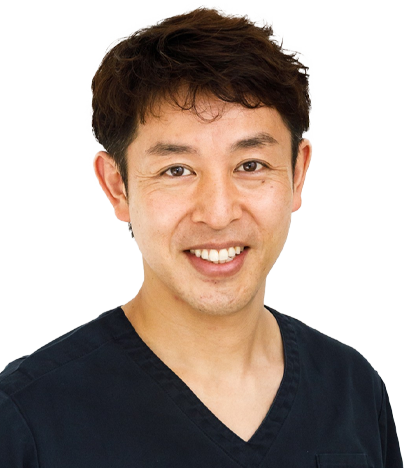
Lecturer
The New Era of Cariology
新時代のカリオロジー
- Understand the paradigm shift in cariology. Gain insight into the essence of contemporary cariology, which has shifted from infection removal to activity control, and from a surgically centered approach to a primarily non-surgical approach.
- Recognize the structural similarity between modern caries management and periodontal therapy. Be able to explain the lifelong disease-management flow—motivation, non-surgical intervention, surgical intervention when necessary, and maintenance—centered on activity control.
- Understand the essence of MI (Minimal Invasive Dentistry). Explain how MI goes beyond “minimizing the size of the cavity preparation” and functions as a philosophy rooted in tooth preservation and caries control within contemporary cariology.
- う蝕学におけるパラダイムシフトを理解する。
感染除去から活動性コントロールへ、そして外科中心から非外科中心へと移行した現代カリオロジーの本質を理解する。 - 現代のう蝕治療が歯周病治療と構造的に類似していることを理解する。
モチベーション → 非外科 → 外科 → メインテナンスという、生涯にわたる活動性管理を中心とした治療フローを説明できるようになる。 - MI(Minimal Invasive Dentistry)の本質を理解する。 「侵襲を最小限に抑えた修復」を超えて、現代カリオロジーに基づく歯質保存とカリエスコントロールの理念として位置づけられることを説明できるようになる。
う蝕学(カリオロジー)は科学の進歩に伴い「新しい時代」を迎えました。
齲蝕治療の目的は感染除去から、カリエスコントロールへ
”ルールが変わるとゲームが変わる”
齲蝕治療の対象は病変から活動性へ
齲蝕治療の中心は外科から非外科へ
歯周病治療において外科処置も重要ですが歯周病治療の中心ではありません。
齲蝕治療においても同じ。
齲蝕治療において外科処置も重要ですが齲蝕治療の中心ではありません。
齲蝕治療の流れも歯周病治療の流れと等しくモチベーション、非外科、外科、メインテナンスとなります。
歯周病ではその活動性を生涯にわたってサポートし続けます。
う蝕の治療もその活動性を生涯にわたってサポートし続けます。
そして、新時代のカリオロジーを象徴する言葉がMIです。
GCは20年以上にわたりMI(Minimal Invasive Dentistry)を掲げ、その重要性を世界に発信してきました。
このMIは新時代のカリオロジーに基づいた提唱でありその本質はカリエスコントロールにあります。
さぁ、新しい世代の歯科治療を語りましょう。
齲蝕治療の目的は感染除去から、カリエスコントロールへ
”ルールが変わるとゲームが変わる”
齲蝕治療の対象は病変から活動性へ
齲蝕治療の中心は外科から非外科へ
歯周病治療において外科処置も重要ですが歯周病治療の中心ではありません。
齲蝕治療においても同じ。
齲蝕治療において外科処置も重要ですが齲蝕治療の中心ではありません。
齲蝕治療の流れも歯周病治療の流れと等しくモチベーション、非外科、外科、メインテナンスとなります。
歯周病ではその活動性を生涯にわたってサポートし続けます。
う蝕の治療もその活動性を生涯にわたってサポートし続けます。
そして、新時代のカリオロジーを象徴する言葉がMIです。
GCは20年以上にわたりMI(Minimal Invasive Dentistry)を掲げ、その重要性を世界に発信してきました。
このMIは新時代のカリオロジーに基づいた提唱でありその本質はカリエスコントロールにあります。
さぁ、新しい世代の歯科治療を語りましょう。


Lecturer
Remineralisation in Contemporary MI Dentistry:
Evidence, Mechanisms and Practical Integration
Remineralisation in Contemporary MI Dentistry:
Evidence, Mechanisms and Practical Integration
- 再石灰化の生物学的原理と、それがMI歯科を支える仕組みについて説明する。
- CPP-ACP、フッ化物システム、ケイ酸カルシウム材料、ペプチドなど、主要な再石灰化技術の違いを理解し、現在の比較エビデンスを解説する。
- 再石灰化を基盤とした介入が適応となる臨床症例や患者像を判断する。
- 予防および初期病変の管理において、再石灰化剤を効果的に使用するための実践的な臨床プロトコールを活用し、これらの戦略をより広いMIアプローチの中に組み込む。
再石灰化は、期待される概念から、現在では豊富なエビデンスに支えられた「MI歯科における重要な治療戦略」へと発展している。本講演では、CPP-ACP(カゼインホスホペプチド-非晶質リン酸カルシウム)を中心に、主要な再石灰化技術の最新の科学的知見を概説する。さらに、作用機序、臨床適応、および各技術の有効性について、最新のin vitro、in situ、ならびに臨床試験のエビデンスをもとに比較・検討する。また、患者選択、使用プロトコール、製品の効果的な活用法、さらにMI診断および治療ワークフローへの再石灰化の組み込み方など、研究成果を日常臨床に応用するための実践的な指針についても解説する。


Lecturer
Molar Incisor Hypomineralization
― Diagnosis and Treatment Strategies
Molar Incisor Hypomineralization
― Diagnosis and Treatment Strategies
- MIHの診断に必要な知識を習得する
- MIH罹患歯の重症度分類について理解する
- MIH罹患歯の重症度に応じた治療法を習得する
臼歯切歯低石灰化症(Molar Incisor Hypomineralization:MIH)は、世界的に深刻化している疾患である。MIHは患者のQOLに影響を及ぼすさまざまな歯科的問題を引き起こすだけでなく、歯科医師にとっても治療上の課題となる。罹患歯は萌出後エナメル質崩壊を生じやすく、知覚過敏を伴うこともある。治療法には、予防、修復、抜歯などさまざまな選択肢があるが、その適応は病変の重症度、症状の有無、患者の歯齢や治療に対する期待など、さまざまな要因によって異なる。本講演では、MIHの最新の診断基準と分類について解説するとともに、それぞれの症例に応じた治療法を紹介する。