

矯正治療の新標準 ~臨床家のための必須知識~ - 第6回国際歯科シンポジウム

アイコン

Session

Dr.

104日(日)

9:00 - 10:30 10:45 - 12:15

4F〜6FホールC

Session51

Session52

Orthodontics Excellence: Essential Knowledge for the Modern Clinician

矯正治療の新標準
~臨床家のための必須知識~


Moderator & Lecturer 

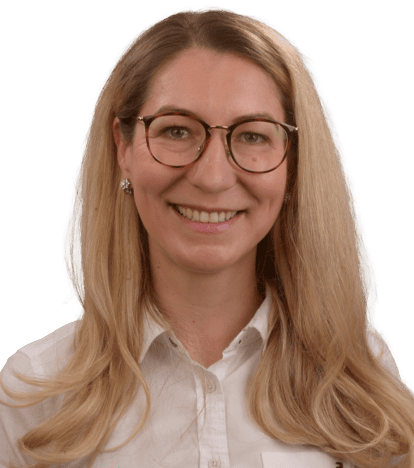
Hybrid treatment: the future of Orthodontics

Hybrid treatment: the future of Orthodontics

  • Ideal finishing
  • Limits of aligners and fixed appliance
  • Hybrid treatment as future of orthodontics
Fixed appliances and clear aligners each carry inherent biomechanical limitations. Clear aligners underperform on torque control, vertical movements, and bodily displacement; fixed appliances has its own limitations, with some movement difficult to achieve. Hybrid orthodontic treatment addresses both — combining the two modalities within a single treatment arc, each deployed where its biomechanical properties are most effective.
In aligner-based treatment, a targeted preliminary phase resolves the movements aligners handle poorly, so the aligner phase that follows is shorter and more predictable. In fixed-appliance treatment, it streamlines finishing and improves the patient experience where brackets and wires fall short.
Grounded in the Sequential Control Technique, this presentation introduces a systematic framework for hybrid sequencing — covering movement categorization, phase transition criteria, and digital workflow integration. Knowing when and how to transition between modalities is the defining clinical skill of modern orthodontics.
 

Lecturer 

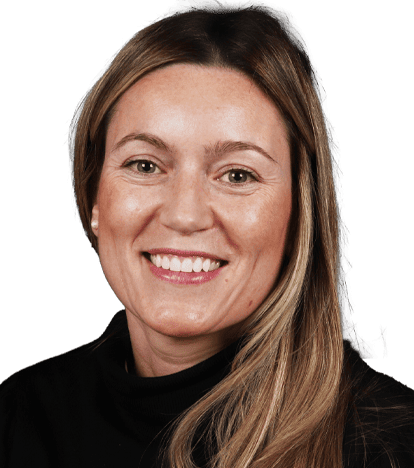
Orthognatic surgery for growing patients

Orthognatic surgery for growing patients

The traditional doctrine of waiting for skeletal maturity before performing orthognathic surgery remains valid for most patients. However, in cases of severe skeletal dysmorphism, growth does not normalize the face — it distorts it further. Orthodontic and orthopedic treatment alone cannot correct discrepancies of such magnitude, and delaying surgery until adulthood risks allowing the entire craniofacial architecture to reorganize around the deformity. Early interceptive surgery, through distraction osteogenesis and selective early osteotomies, aims to redirect growth rather than oppose it, restoring a functional baseline from which normal development can resume. Patient selection is critical: indications require documented functional compromise and a skeletal discrepancy beyond conventional treatment. The risks — relapse, growth interference, long-term follow-up — are real but must be weighed against the consequences of non-intervention. Early interceptive surgery is not an abandonment of prudence. It is its highest expression.
 

Lecturer 

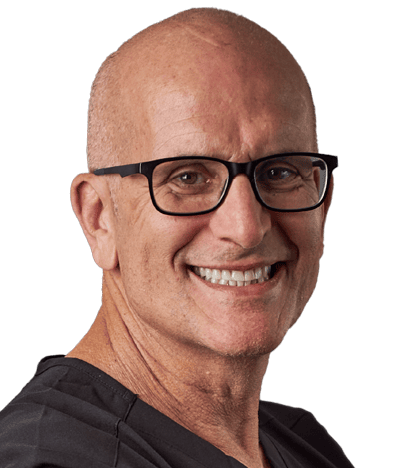
Flowable composites and other GC tools helping orthodontists achieve unique results

Flowable composites and other GC tools helping orthodontists achieve unique results

Orthodontic treatments are increasingly evolving beyond tooth alignment, requiring a more interdisciplinary approach to achieve optimal functional and aesthetic outcomes. This trend is not limited to adult patients but is becoming more common in younger cases, where comprehensive solutions are expected from the clinician. As a result, orthodontists must expand their clinical toolkit and develop greater autonomy in managing complementary procedures.
Flowable composites and other GC materials offer versatile, minimally invasive solutions that can significantly enhance treatment precision, finishing, and overall results. These tools allow orthodontists to address aesthetic refinements, minor restorative needs, and occlusal adjustments directly, reducing dependence on other specialists and improving workflow efficiency.
Through practical clinical examples, this lecture will demonstrate how integrating these materials into daily practice can lead to more predictable, efficient, and high-quality outcomes, ultimately helping clinicians achieve truly unique results.
 

Lecturer 

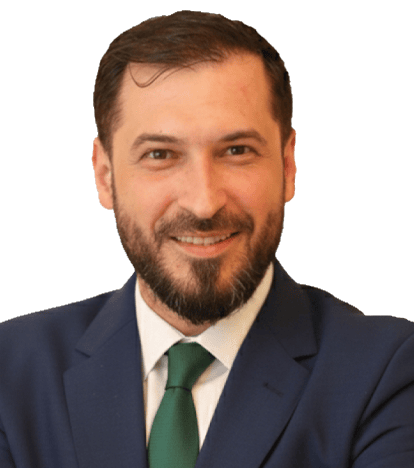
Our interdisciplinary protocol for treating worn dentition

Our interdisciplinary protocol for treating worn dentitionn

New techniques and materials made it easier to achive great results by means of a minimally invasive approaches for treating worn dentitions. In challenging situations, in order to keep the minimally invasive perspective, collaborations between prosthodontists and orthodontists may be needed. Dental wear patients require modifications and individualization of orthodontic workflow, from bonding to finishing. Moving into the digital tools age, it is easier to blend the orthodontic and restorative phases for an optimal esthetic and functional result. Ortho-prosthetic esthetic treatment planning, decision-making and clinical workflow will be the main subjects of the conference. The audience will be guided through each step of the interdisciplinary clinical protocols. Complex clinicalcases will highlight the philosophy behind our interdisciplinary collaboration.
 

Lecturer 

Class III Malocclusion with MOV' Aligners: From Case Selection to Clinical Management

Class III Malocclusion with MOV' Aligners: From Case Selection to Clinical Management


Lecturer 

Best Practices in Archwire and Archform Selection

Best Practices in Archwire and Archform Selection

  • セッション一覧

Copyright © 1995-2026 GC All rights reserved.