





Session
Moderator
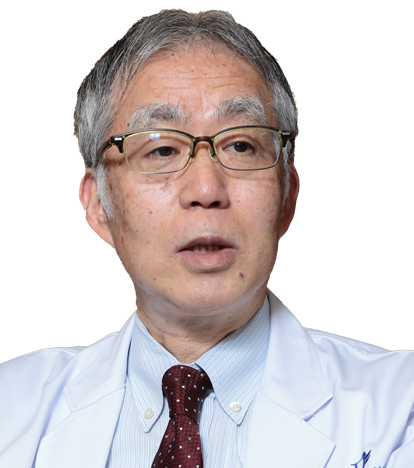

 Dr.
Dr.10/4(sun)
10:45 - 12:15
Hall B5(1)
Session 5
An Innovative Bone Augmentation Material:
Carbonate Apatite in Clinical Practice
― Powered by Science, Proven in Reality ―
世界の再生医療をリードするトップランナー
~次世代を創る革新的バイオマテリアル~
This session highlights the scientific foundation and clinical advantages of Carbonate Apatite in periodontal and hard-tissue regeneration. Prof. Sculean will introduce the biological principles underlying periodontal tissue regeneration, Prof. Hom-Lay Wang will present clinical evidence from ridge preservation and guided bone regeneration (GBR), and Dr. Rosen will discuss practical applications in daily clinical practice, including indications and comparisons with xenografts.
Together, the speakers will provide a clear, evidence-based overview of the role of Carbonate Apatite in modern regenerative therapy and its potential to enhance clinical outcomes.


Lecturer
Powered by Science, Potential of Carbonate Apatite in Periodontal Regeneration
Powered by Science, Potential of Carbonate Apatite in Periodontal Regeneration
- Scientific backgrounds for carbonate apatite, performance through animal study
- Biologic processes involved in periodontal wound healing and regeneration.
- Clinical background of alloplastic materials in periodontal regeneration.
- Biological rationale of Carbonate Apatite in periodontal regeneration.
- Scientific backgrounds for carbonate apatite, performance through animal study
- Biologic processes involved in periodontal wound healing and regeneration.
- Clinical background of alloplastic materials in periodontal regeneration.
- Biological rationale of Carbonate Apatite in periodontal regeneration.
After 8 weeks of healing, carbonate apatite demonstrated favorable new bone formation compared with DBBM while maintaining bone volume as the materials were gradually replaced by newly formed bone. These findings highlight the potential of carbonate apatite as an effective bone graft substitute for periodontal regeneration. This presentation will discuss the regenerative characteristics of carbonate apatite and clinical potential based on our preclinical findings.

Lecturer
Proven in Reality, Clinical Performance of Carbonate Apatite in Hard Tissue Regeneration
実臨床で実証された、硬組織再生における炭酸アパタイトの臨床的有効性
- Evaluate the clinical performance of carbonate apatite in alveolar ridge preservation.
- Discuss the use of carbonate apatite in guided bone augmentation.
- Identify the clinical benefits of carbonate apatite for predictable hard-tissue regeneration.
- 歯槽堤保存における炭酸アパタイトの臨床的有効性を評価する。
- ガイド付き骨増生術における炭酸アパタイトの使用について考察する。
- 予測可能な硬組織再生における炭酸アパタイトの臨床的利点を特定する。


Lecturer
Carbonate Apatite in Clinical Practice, Should You Consider Replacing Your Use of Xenografts?
Carbonate Apatite in Clinical Practice, Should You Consider Replacing Your Use of Xenografts?
- Discuss in vitro results demonstrating carbonate apatite superiority to allografts.
- Discuss in what peri-implantitis lesions carbonate apatite performs best.
- Discuss the histology following lateral window sinus lifts demonstrating carbonate apatite efficacy.
- 炭酸アパタイトが同種移植片よりも優れていることを示すin vitroの結果について論じる。
- 炭酸アパタイトが最も優れた効果を発揮するインプラント周囲炎の病変について論じる。
- 炭酸アパタイトの有効性を示す、側方ウィンドウ法による上顎洞挙上術後の組織所見について論じる。
Recently, carbonate apatite, a bioengineered graft material that closely resembles the mineral component of bone, has been introduced for clinical use. This presentation will review clinical applications, including treating peri-implantitis and reconstructing subantral bone beneath the highly pneumatized sinus, to illustrate the characteristics and potential benefits of carbonate apatite in regenerative procedures. Based on clinical experience and case examples, practical considerations for bone graft material selection will also be discussed, focusing on when and where carbonate apatite may be considered an alternative to other graft materials in everyday clinical practice.