





Session
Moderator

10/ 3(Sat)
15:15 - 16:45
Hall D7
Session 7
Periodontal Tissue Regeneration Therapy That Changes Outcomes: From Fundamentals to Applications
結果が変わる歯周組織再生療法
~基礎から応用1から100まで~
This session will provide a comprehensive overview of periodontal regenerative therapy, covering everything from its fundamental biological principles to clinical applications and long-term maintenance strategies.
Based on the latest scientific evidence and extensive clinical experience, the speakers will discuss case selection, biomaterial selection, surgical techniques, complication management, and key factors for improving predictability in regenerative outcomes. Through practical, step-by-step explanations, participants will gain a clearer understanding of how treatment decisions influence clinical results. By addressing why outcomes vary and where clinical judgment is most likely to fail, this session is designed to deliver practical knowledge that can be directly applied in daily practice. Structured to connect foundational concepts with advanced clinical applications, it offers both beginners and experienced clinicians an opportunity to strengthen and refine their understanding of periodontal regenerative therapy from “1 to 100.”
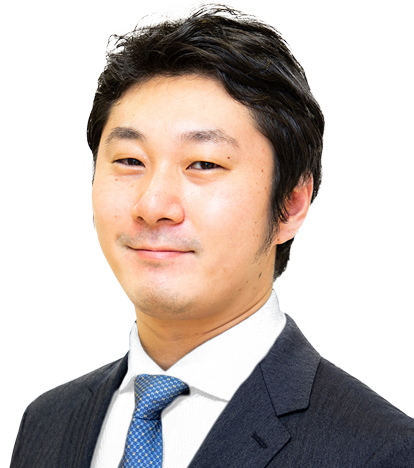
Lecturer
State-of-the-art in Periodontal Regenerative Therapy: Case Selection and Strategic Flap Design
歯周組織再生療法の最前線
~歯周組織再生療法を成功に導く適応症とフラップデザイン~
- Review of the indications for periodontal regenerative therapy, including diagnostic assessment and the conditions that should be achieved through initial periodontal therapy before treatment.
- Effective flap designs for various types of vertical bone defects and the criteria for selecting the appropriate approach.
- Current concepts in periodontal regenerative therapy for furcation defects, with a focus on flap design.
- 歯周組織再生療法の適応症を整理し、見極めるための診査や歯周基本治療にてクリアすべき条件をレビューします。
- 多種多様な垂直性骨欠損に対する効果的なフラップデザインとその選択基準を提示します。
- 根分岐部病変に対する歯周組織再生療法の最前線について、フラップデザインから考察します。
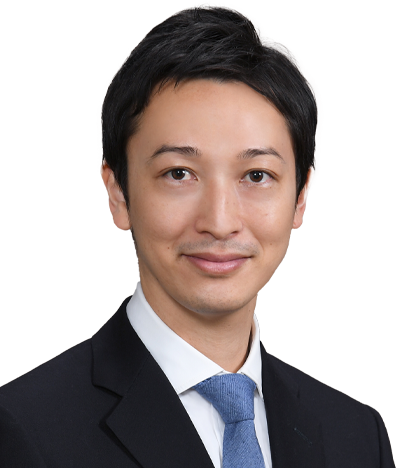
Lecturer
Clinical Strategies for Improving the Predictability of Periodontal Regenerative Therapy
歯周組織再生療法における再現性向上のための臨床戦略
- Predictable Access to Severe Bone Defects and Root Surfaces
- An Interdental Papilla Approach Based on Histological Principles
- Key Factors for Achieving Stable Clinical Attachment Gain
- 重度骨欠損と歯根面への確実なアクセス
- 組織学的理論に基づく歯間乳頭へのアプローチ
- 安定したクリニカルアタッチメントゲインを得るためのポイント
Moreover, regenerative therapy is frequently indicated for anatomically complex osseous defects, in which adequate access to the root surface and defect morphology must be carefully balanced with wound stability to optimize regenerative outcomes.
This presentation will introduce biologically driven approaches to papillary management, incision and flap designs based on defect morphology, and clinical perspective utilizing an operating microscope. Clinical strategies aimed at enhancing predictability in periodontal regenerative therapy will be discussed through the presentation of surgically challenging cases.
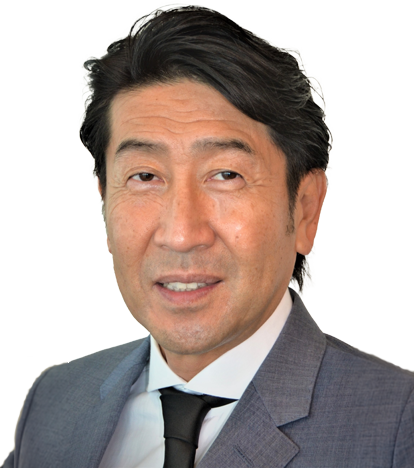
Lecturer
Is the success of periodontal regenerative therapy determined primarily by surgical skill or by material selection?
- Periodontal regenerative therapy
- Growth factors
- Bone graft substitutes
Recent evidence suggests that adherence to fundamental surgical principles—such as wound stability, clot protection, and minimally invasive flap design—may exert a greater influence on clinical outcomes than the choice of regenerative material itself. In particular, in the treatment of intrabony defects, accurate assessment of defect morphology, appropriate flap design, and precise suturing to ensure primary wound closure are considered critical determinants of prognosis.
Conversely, in defects with limited bony walls, material selection also becomes an important factor. Therefore, successful periodontal regeneration requires both biologically based surgical techniques and material selection tailored to defect configuration.
In this lecture, periodontal regenerative therapy will be discussed from basic research to clinical applications, incorporating representative clinical cases to facilitate discussion.