





Session
Moderator
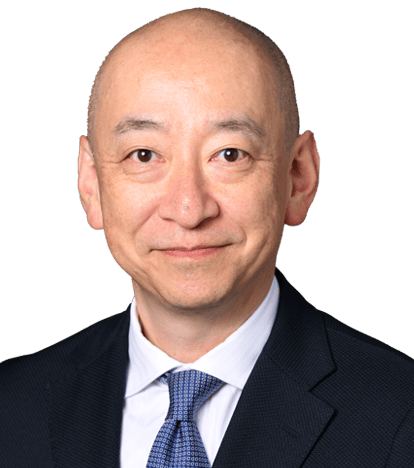

10/4(sun)
9:00 - 10:30
Hall B5(1)
Session 8
Periodontal Tissue Regeneration Based on Scientific Concepts
― A Knowledge Framework to Support Clinical Decision-Making ―
科学的コンセプトに基づく歯周組織再生療法
~臨床判断を支える知のフレームワーク~
Based on the latest scientific evidence in periodontal regenerative therapy, this session will examine the key factors that support clinical decision-making from both biological and clinical perspectives. The speakers will review the molecular mechanisms involved in the regenerative process and highlight the importance of comprehensively understanding the properties of biomaterials that complement and promote these biological events.
In addition, the session will explore the clinical roles and functions of bone graft materials and membranes, while discussing practical concepts for selecting the most appropriate regenerative approach for each individual case.
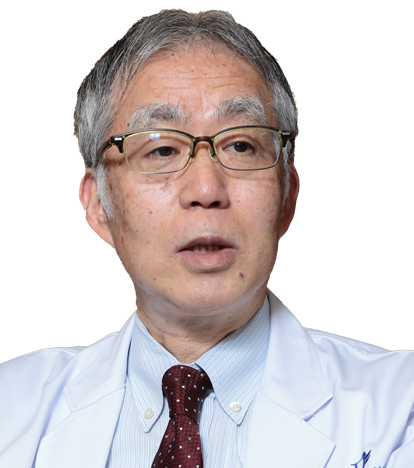
Lecturer
Signaling Molecules in Periodontal Regeneration: Revisiting Their Potential
- Significance of Signaling Molecules in Periodontal Regenerative Therapy
- Potential and Challenges of Signaling Molecules
- Synergistic Effects of Signaling Molecules in Combination with Scaffolds and Stem Cells

Lecturer
Biology-driven Selection Criteria for Bone Graft Substitutes
— From Evidence to Clinical Decision-Making —
- Characteristics of bone graft substitutes used in periodontal regenerative therapy
- Biological behavior of bone graft substitutes interpreted from preclinical studies
- Case-based decision-making for material selection in clinical practice
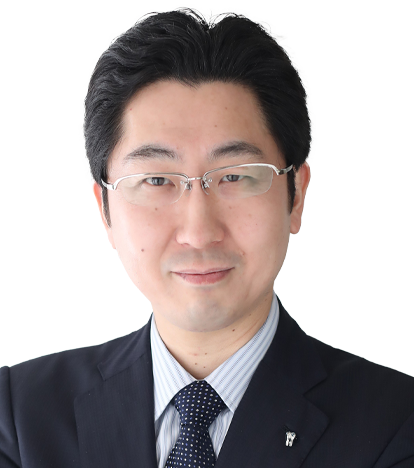
Lecturer
Clinical Decision-Making for the Use of Biomaterials in Periodontal Regenerative Therapy
- The Importance of Signaling Moleculess
- Clinical Benefits of Using Bone Graft Materialss
- Clinical Conditions Requiring the Use of Barrier Membranes