





Session

 Dr.
Dr.10/4(sun)
10:45 - 12:15
Hall B7(1)
Session 11
Crack the Code: Preventing Fractures in Endodontics
歯根破折のリスクマネジメント:防ぐ、守る、見抜く
This session provides a comprehensive exploration of root fractures in an aging society, from the underlying causes and case-specific management strategies to restorative design and the latest scientific research. Participants will strengthen their clinical ability to prevent, preserve, and detect root fractures through a multidisciplinary approach. The speakers will examine age-related changes in dentin and pulp, restorative strategies for endodontically treated teeth, and the diagnosis, prevention, and management of fractured teeth. By integrating current evidence with practical clinical experience, this session will offer valuable insights to improve diagnostic accuracy, treatment planning, and clinical decision-making in everyday practice.
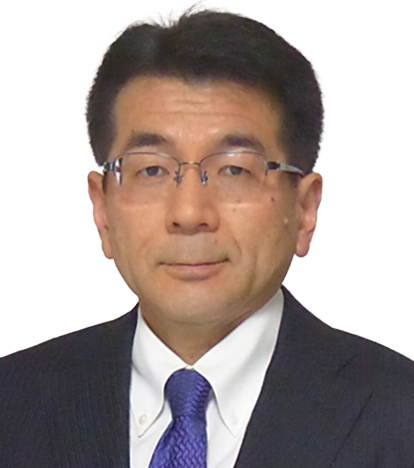
Moderator & Lecturer
Considering root fractures in an aging society
高齢社会における歯根破折を考える
- Increased tooth root fractures with age
- Age-related changes in the dentin-pulp complex
- Points to note when treating root canals in elderly patients
- 加齢に伴う歯根破折の増加について
- 象牙質-歯髄複合体の加齢変化とは
- 高齢者の根管治療の留意点について
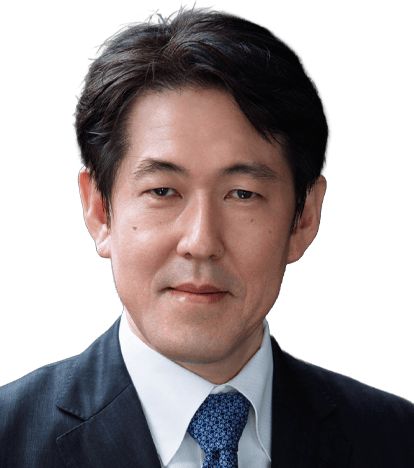
Lecturer
Sustaining Long-Term Success in Endodontic Therapy
歯内療法の成果を永続的に維持するために
- Diagnosis of Cracked Teeth
- Strategies for Preventing Vertical Root Fractures
- Management of Fractured Teeth
- 破折歯の診断
- 歯根破折の予防策
- 破折歯への対応


Lecturer
Modern Restorative Strategies for Endodontically Treated Teeth
Modern Restorative Strategies for Endodontically Treated Teeth
- Evidence based evaluation of restorative options for endodontically treated teeth (ETT)
- Clinical advantages and indications of endocrowns as a conservative alternative
- Step by step clinical decision making protocol for predictable long term outcomes
- エビデンスに基づく根管治療歯に対する修復オプション
- エンドクラウンの利点と適応について
- 長期的に安定した結果を得るための臨床判断ステップ
More recently, the concept of the endocrown has been introduced as a conservative and reliable alternative to full-coverage crowns, particularly when combined with CAD/CAM technology. This approach aims to preserve tooth structure while providing adequate mechanical performance and esthetic outcomes.
The restoration of endodontically treated teeth must fulfill multiple objectives, including mechanical resistance, esthetics, function, and biological preservation. The selection of the restorative approach and materials depends on several criteria, such as the amount of remaining tooth structure, occlusal load, tooth position, esthetic demands, and adhesive possibilities.
Through a series of clinical cases supported by a review of the most recent literature, this presentation will address the key questions related to the restoration of endodontically treated teeth. A clear, step-by-step clinical decision-making protocol will be presented to guide clinicians toward predictable, long-term restorative success.