





Session
Moderator
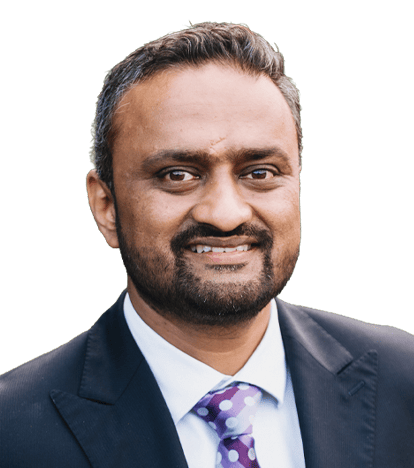

 Dr. DH
10/ 3(Sat)
13:30 - 15:00
Hall D5
Session 12
MI Dentistry: Less invasive, more effective
歯を守る時代のMIアプローチ:いま知っておきたい最新コンセプト
~カリオロジーに基づくカリエスコントロールと臨床実装~
This session explores the essence of Minimally Invasive (MI) dentistry through three key themes: remineralisation, the diagnosis and management of MIH, and the latest developments in contemporary cariology. Focusing on caries activity control, non invasive interventions, and the integration of emerging scientific evidence into daily practice, the program provides practical and clinically relevant insights. Participants will gain updated knowledge that can be immediately applied in preventive care, early intervention, and treatment planning. Designed for both dentists and dental hygienists, this session delivers current perspectives shaping MI based dentistry and offers meaningful improvements to enhance clinical practice.
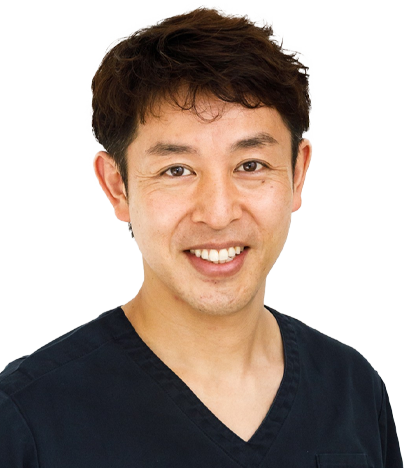
Lecturer
The New Era of Cariology
新時代のカリオロジー
- Understand the paradigm shift in cariology. Gain insight into the essence of contemporary cariology, which has shifted from infection removal to activity control, and from a surgically centered approach to a primarily non-surgical approach.
- Recognize the structural similarity between modern caries management and periodontal therapy. Be able to explain the lifelong disease-management flow—motivation, non-surgical intervention, surgical intervention when necessary, and maintenance—centered on activity control.
- Understand the essence of MI (Minimal Invasive Dentistry). Explain how MI goes beyond “minimizing the size of the cavity preparation” and functions as a philosophy rooted in tooth preservation and caries control within contemporary cariology.
- う蝕学におけるパラダイムシフトを理解する。 感染除去から活動性コントロールへ、そして外科中心から非外科中心へと移行した現代カリオロジーの本質を理解する。
- 現代のう蝕治療が歯周病治療と構造的に類似していることを理解する。
モチベーション → 非外科 → 外科 → メインテナンスという、生涯にわたる活動性管理を中心とした治療フローを説明できるようになる。 - MI(Minimal Invasive Dentistry)の本質を理解する。 「侵襲を最小限に抑えた修復」を超えて、現代カリオロジーに基づく歯質保存とカリエスコントロールの理念として位置づけられることを説明できるようになる。
The purpose of caries treatment has shifted from the removal of infected tooth structure to comprehensive caries control―because when the rules change, the entire game changes.
The focus has moved from the presence of lesions to the assessment of activity, and from surgical procedures to primarily non-surgical intervention.
In periodontal therapy, surgical treatment plays an important role, yet it is not the central component. The same applies to caries management. Surgical intervention remains important in certain cases, but it is not the core of modern caries treatment.
The flow of caries management parallels that of periodontal therapy: motivation, non-surgical care, surgical intervention when indicated, and lifelong maintenance.
Periodontal therapy aims to support disease activity control throughout a patient’s lifetime. Caries management likewise requires continuous support to control activity over the long term.
The term that symbolizes this new era of cariology is MI. For more than 20 years, GC has promoted Minimal Invasive Dentistry (MI) and has communicated its importance worldwide.
This MI concept is grounded in the principles of contemporary cariology, and at its heart lies caries control.
Now, let us move forward and discuss how caries should be managed in this generation.


Lecturer
Remineralisation in Contemporary MI Dentistry:
Evidence, Mechanisms and Practical Integration
Remineralisation in Contemporary MI Dentistry:
Evidence, Mechanisms and Practical Integration
- Explain the biological principles of remineralisation and how they underpin MI dentistry.
- Differentiate between major remineralisation technologies (e.g., CPP-ACP, fluoride systems, calcium-silicate materials, peptides) and interpret current comparative evidence.
- Identify appropriate clinical indications and patient profiles for remineralisation-based interventions.
- Apply practical clinical protocols for using remineralisation agents effectively in both preventive and early-lesion management, and integrate these strategies within a broader MI approach.
- Explain the biological principles of remineralisation and how they underpin MI dentistry.
- Differentiate between major remineralisation technologies (e.g., CPP-ACP, fluoride systems, calcium-silicate materials, peptides) and interpret current comparative evidence.
- Identify appropriate clinical indications and patient profiles for remineralisation-based interventions.
- Apply practical clinical protocols for using remineralisation agents effectively in both preventive and early-lesion management, and integrate these strategies within a broader MI approach.


Lecturer
Molar Incisor Hypomineralization
― Diagnosis and Treatment Strategies
Molar Incisor Hypomineralization
― Diagnosis and Treatment Strategies
- Gain knowledge to diagnose MIH
- Familiarize to graduate MIH affected teeth
- Get to know the treatment of MIH teeth with regard to the severity
- Gain knowledge to diagnose MIH
- Familiarize to graduate MIH affected teeth
- Get to know the treatment of MIH teeth with regard to the severity