





Session
Moderator


10/4(sun)
13:30 - 15:00
Hall D5
Session 31
The Essence of Bone Augmentation
― A Comprehensive Guide to Achieving Higher Clinical Excellence ―
骨造成の真骨頂
~より高みを目指すための解体新書~
Bone augmentation remains one of the most challenging procedures for achieving predictable outcomes and long-term stability. In this session, speakers from different study groups will come together to discuss which treatment plans, surgical techniques, and materials can provide the best outcomes for patients.
Supported by scientific evidence and extensive clinical experience, the cases presented will provide practical guidance for everyday clinical practice.
Moderator & Lecturer
Bone Augmentation from the Perspective of Long-Term Outcomes and Risk Management
- Re-evaluating bone augmentation based on long-term outcomes
- Reconsidering surgical techniques from an anatomical perspective
- Reassessing grafting materials, with a focus on bone graft substitutes
- Identifying and minimizing risk factors
As clinicians strive to achieve more predictable and advanced outcomes, effective risk management has become increasingly important for ensuring long-term treatment success. In this lecture, the long-term outcomes of bone augmentation cases will be reviewed to identify factors that contribute to treatment stability. Surgical techniques will be re-evaluated from the perspectives of graft material selection, flap management, and the choice of surgical approach according to the anatomical characteristics and extent of the bone defect.
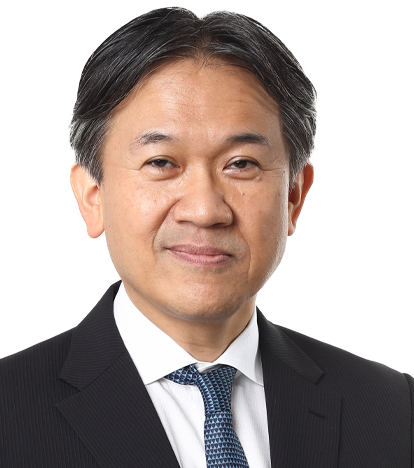
Lecturer
GBR Treatment Strategies for Long-Term Success: Defect Assessment, Surgical Technique Selection, and Long-Term Outcomes
- Establishing appropriate treatment goals through 3D assessment of bone defects, taking into account the bone volume and morphology required for long-term stability
- Selecting the optimal surgical approach for mild, moderate, and severe bone defects by balancing predictability with surgical invasiveness
- Achieving long-term success through stable bone volume and morphology, harmonious peri-implant soft tissue architecture, and conditions that facilitate effective plaque control
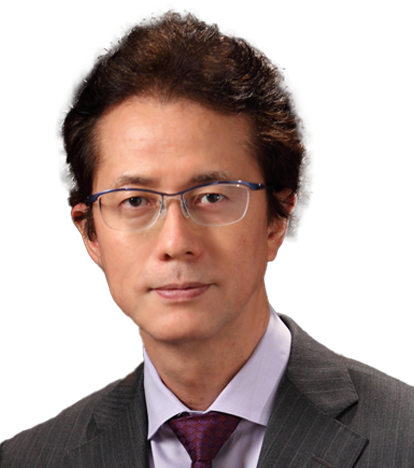
Lecturer
Rethinking Sinus Lift Surgery: Clinical Effectiveness, Complications, and Long-Term Stability
- Clinical effectiveness of sinus lift surgery
- Prevention and management of complications in sinus lift surgery
- Achieving long-term stability
However, the degree of surgical difficulty varies considerably depending on the clinical case. Intraoperative complications such as Schneiderian membrane perforation and bleeding may occur, while postoperative complications include infection, maxillary sinusitis, and rhinosinusitis. In the long term, peri-implantitis and perigraftitis may also compromise treatment outcomes. Through a series of clinical cases, this lecture will discuss practical strategies for achieving predictable sinus lift surgery while minimizing complications and maintaining long-term stability.