




Session
Program Chairs

10/ 3(Sat)
10:30 - 12:00 13:30 - 15:00 15:15 - 16:45
Hall B7(1)
Session 37
Session 38
Session 39
The Power of Teamwork in Achievement Excellence Aesthetic Prosthodontics
― Designing Excellence Together ―
審美補綴を支える歯科医師と歯科技工士の「共創力」
The Power of Teamwork in Achievement Excellence Aesthetic Prosthodontics
― Designing Excellence Together ―
The next level of prosthodontics lies beyond the boundaries between dentists and dental technicians—in true co-creation.
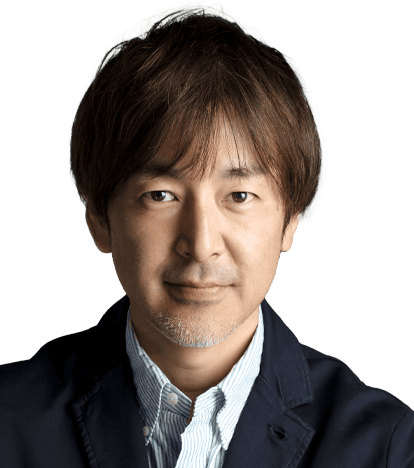
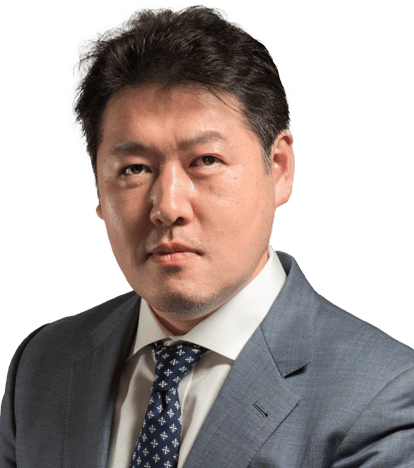
In this session, Program Chairs Dr. Ken Takahashi and Dr. Naoki Hayashi will bring together leading clinicians from Japan and abroad. Going beyond clinical case presentations, the speakers will explore the dialogue that takes place in clinical practice and the logical thought processes that lead to successful outcomes.
We invite you to experience the essence of clinical practice through the expertise of these specialists.
Program Chairs
10/ 3(Sat)
10:30 - 12:00
Hall B7(1)
Session 61
Part 1:Harmonizing with Natural Teeth: Integrating Biomimetic Perspectives
第一部:バイオミメティック・天然歯との調和
Lecturer
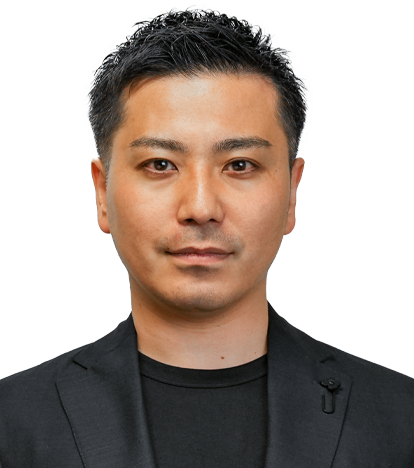
Reproducing the color and surface characteristics of natural teeth in porcelain restorations
- Color Design of the Dentin Structure in PFZ Restorations
- Characterization Using Internal Stains
- Digital Image Superimposition (Virtual Try-in)
However, in cases requiring highly accurate reproduction of the color and surface characteristics of adjacent natural teeth, the fundamental principles and technical challenges of ceramic crown fabrication have changed little over the past two decades, despite advances in CAD/CAM technology and digital photography.
This lecture will review the essential principles for reproducing the appearance of natural teeth in ceramic restorations. Particular emphasis will be placed on selecting dentin porcelains based on chroma, understanding the optical changes that occur after applying translucent porcelains, and characterizing the dentin structure with internal stains while accounting for these changes. In addition, the application of digital image superimposition (virtual try-in) during crown fabrication will be presented as a practical tool for improving the predictability of esthetic outcomes.
Lecturer
-TAKUMI-
匠-TAKUMI-
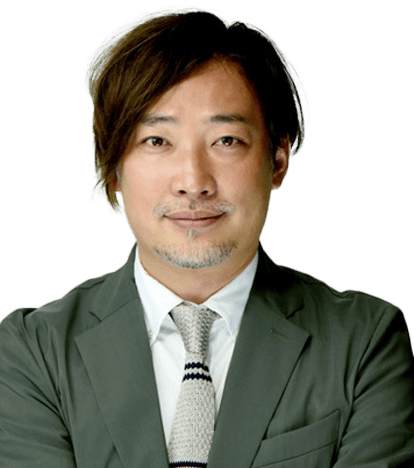
- Mastering the art of dental technology: Lessons from a master dental technician
- Reproducing natural tooth morphology in composite resin restorations
- Composite resin selection and the reproduction of natural tooth structure
- The relationship between tooth morphology and color reproduction
The morphology and intricate surface texture of natural teeth possess a level of refinement comparable to that found in traditional Japanese craftsmanship. Well-designed tooth morphology imparts vitality and realism to restorations, elevating restorative treatment beyond a technical procedure to a form of artistic expression. As contemporary dentistry has shifted toward minimally invasive, esthetic treatment, restorative materials have increasingly evolved from ceramics to composite resins. Consequently, the ability to reproduce natural tooth morphology is no longer the exclusive domain of dental technicians but has become an essential clinical skill for dentists as well.
This lecture will revisit the concepts of morphology and esthetics cultivated by Japanese clinicians and technicians through the lens of “Takumi”. From the perspective of a composite artist, practical clinical approaches for reproducing natural dentition with direct composite resin will be presented, demonstrating how timeless esthetic principles can be integrated into modern minimally invasive restorative dentistry.
Lecturer
Respect for Nature and Modification to Clinical Morphology
Respect for Nature and Modification to Clinical Morphology
〜患者のニーズに応じた美しい歯列の構築〜
- Application of natural tooth morphology to esthetic restorations
- Strategic use of mock-ups in treatment planning
- Monolithic veneer restorations
Lecturer
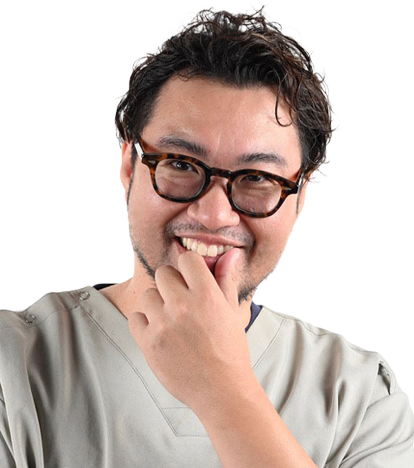
Observation and reproduction of natural tooth surface texture: The science behind lifelike surface characterization
- Observation and Reproduction of the Surface Characteristics of Natural Teeth
- The Distinctive Features of Each of the Three Basic Tooth Morphologies and How to Identify Them
- How to Identify These Features, Establishing “Rules” for Their Reproduction, and Key Points for Clinical Application
- 天然歯牙表面性状の観察と再現
- 歯の基本3形態それぞれがもつ固有の特徴とその捉え方
- 特徴の捉え方とその再現の「ルール」化、臨床応用の勘どころ
The surface texture of natural teeth is highly individual, with each tooth exhibiting unique characteristics in gloss, texture intensity, and surface morphology. Furthermore, each of the three fundamental tooth forms possesses its own distinctive surface features. In this lecture, I will present the principles and “rules” that I use to observe and reproduce these characteristics, sharing practical insights that guide my daily clinical and laboratory work toward creating more lifelike restorations.
Program Chairs
10/ 3(Sat)
13:30 - 15:00
Hall B7(1)
Session 61
Part 2:Aesthetic Design and Planning
第二部:Aesthetic Design and Planning
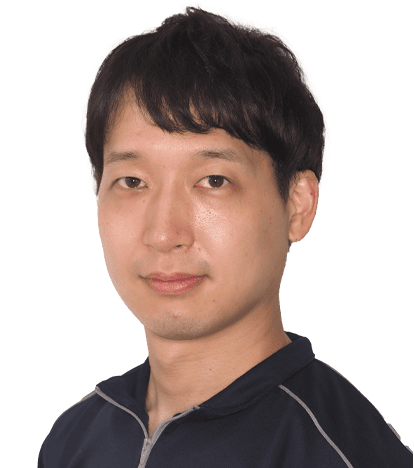
Lecturer
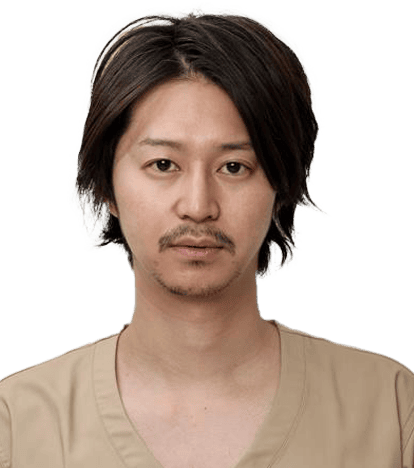
Like Lennon McCartney
Like Lennon McCartney
- Sharing the same goals between dental technicians and dentists
- Better lab communication using digital technology
- Learning and growing together through collaboration
- 技工士と歯科医師、同じ景色の共有
- デジタルを活用したアナロジカルなラボコミュニケーション
- 同世代での共作により得られる互いの成長と喜び
A variety of cases will be presented, ranging from localized restorations to full-mouth reconstruction, using materials commonly employed in contemporary dentistry, including composite resin, zirconia, lithium disilicate, and feldspathic ceramics.
Through these cases, we will discuss the criteria for material selection and their clinical applications, while also presenting the process of “co-creation,” in which dentists and dental technicians exchange perspectives to achieve a shared treatment outcome, as well as the practical approaches to laboratory communication that we employ in our daily practice.
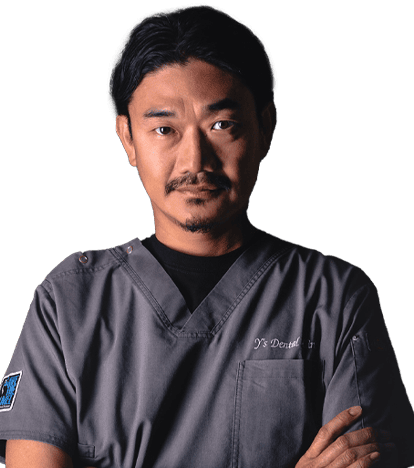
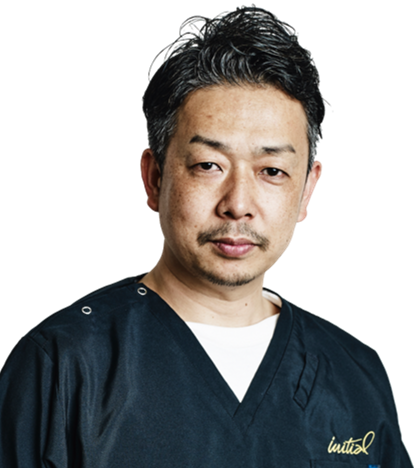
Lecturer
Arts and Practice
Coming Soon
- Principles of esthetic design considered through long-term clinical outcomes
- Selecting materials and treatment plans with aging in mind
- Knowledge from the past and reconstruction in the present
- The unwavering "essence" of treatment, no matter how the times change
This journey has also been a continuing inquiry into what "beauty" truly means for each individual patient.
Over this period, dentistry has advanced remarkably in both technique and materials, and the means of expressing esthetics have expanded dramatically.
In this lecture, we will examine the long-term outcomes of treatments we performed in the past, and on that basis reconsider what choices we would make given today's knowledge. At the same time, we wish to reflect on the unchanging "essence" of treatment that endures even amid the changing times.
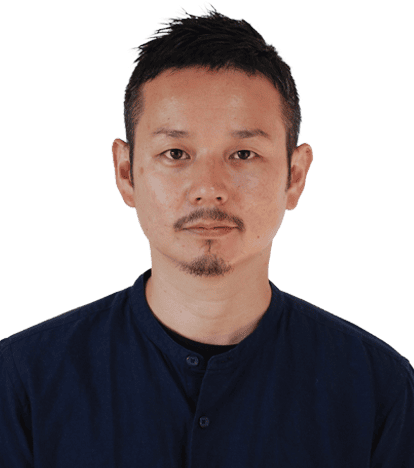
Lecturer
Esthetic treatment planning for anterior restorations
- Key considerations in anterior restorative treatment
- Recognizing and interpreting each patient's individual characteristics
Program Chairs
10/ 3(Sat)
15:15 - 16:45
Hall B7(1)
Session 61
Part 3:Comprehensive Prosthetic Treatment in Pursuit of Refined Aesthetics
第三部:洗練された美を追求した総合的補綴治療
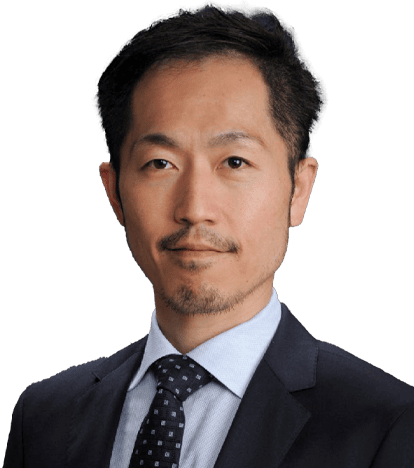
Lecturer
Collaborative Treatment Design for Prosthodontic Esthetics and Function
補綴学的審美と機能を形にする
コラボレーティブトリートメントデザイン
Collaborative Treatment Design for Prosthodontic Esthetics and Function
- Prosthodontic esthetics and function are largely determined by strategic treatment planning before treatment begins.
- Close collaboration between the dentist and the dental technician enhances the precision and predictability of prosthodontic treatment.
- Digital technologies provide a new platform for diagnosis, treatment planning, and communication between the clinical and laboratory teams.
- Integrating esthetic analysis with functional assessment enables more predictable and stable clinical outcomes.
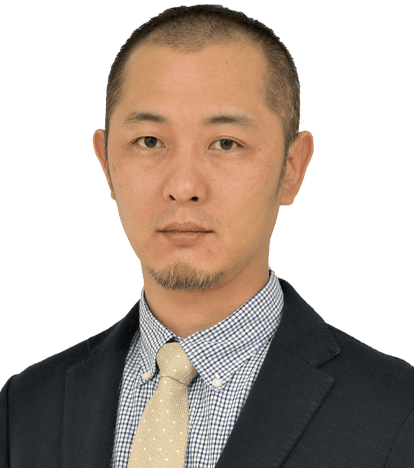
Lecturer
Morphological Considerations in Gingival Prostheses
Coming Soon
- Re-evaluating the anatomy of the peri-prosthetic tissues and its influence on prosthesis design
- The relationship between gingival contour, pontic base design, transmucosal emergence profile, and cleanability
- The relationship between gingival morphology and the esthetic integration of prosthetic restorations
Lecturer
The Essence of Esthetic Rehabilitation
— Where Precision and Dedication Create Patient Happiness —
The Essence of Esthetic Rehabilitation
— Where Precision and Effort Create Happiness —
- Esthetic and biological considerations in implant-supported prostheses in the anterior esthetic zone
- Morphologic design from the subgingival S-curve to the most facial/apical contour point, “The Edge,” in anterior implant restorations. - Considerations for achieving favorable adaptation between prosthetic design and gingival tissue
- Clinical perspectives on contour, emergence profile, tissue support, and soft-tissue response. - Comprehensive workflow and clinical tips in esthetic prosthetic dentistry
- From diagnosis and treatment planning to laboratory communication, material selection, and delivery of the final restoration.
- 前歯部審美領域におけるインプラント補綴の審美的・生物学的考察前歯部インプラント補綴における歯肉縁下Sカーブから最長点(The Edge)に至る形態
- 設計と歯肉組織の良好なアダプテーション獲得に関する考察
- 歯科審美補綴治療における包括的ワークフローと臨床的ヒント
In this presentation, functional esthetic prosthetic rehabilitation in harmony with the soft tissue will be discussed through material selection, treatment planning, implant-supported restorations, and pontic basal surface design.