




Session
 Dr.
Dr.10/4(sun)
13:30 - 15:00
G701
Session 534
Choosing the Right Orthodontic Appliance
― Personalizing Treatment to Clinical Realities ―
症例特性から考える矯正装置の選択と治療実現性
The first half of this session reviews key case-selection criteria for aligner orthodontics and contrasts tooth‑movement mechanics with wire appliances. The second half highlights appliance selection for older adults, low‑burden biomechanics, and the broader applicability of orthodontic treatment across age groups.
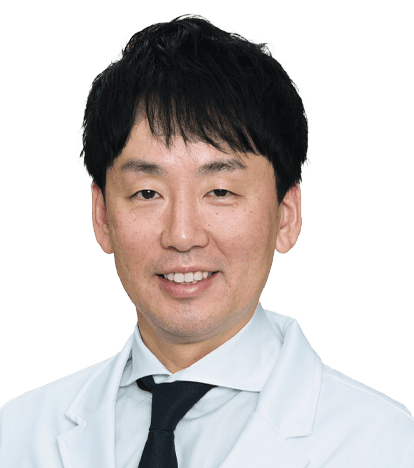

Lecturer
0.75 CE Credits
Selection of Orthodontic Appliances and Treatment Feasibility Based on Case Characteristics
歯牙移動様式に基づくアライナー矯正の再考
- Criteria for selecting basic indications for aligner orthodontic treatment
- Characteristics of tooth movement patterns in aligner therapy
- Differences in movement patterns compared with wire-based orthodontics
- アライナー矯正の基本的な適応症例の選択基準
- アライナー矯正の歯牙移動様式の特徴
- ワイヤー矯正との移動様式の違い
In recent years, as the indications for aligner orthodontics have expanded, its treatment protocols have become increasingly well established.
However, the mode of force application differs between aligner therapy and conventional wire-based orthodontics, resulting in appliance-specific characteristics in tooth movement patterns.
This lecture aims to categorize the types of tooth movements for which aligner orthodontics is particularly effective and to examine, from a clinical perspective, the differences between aligner and wire-based orthodontic approaches.
Furthermore, the importance of appropriate case selection and treatment planning based on the inherent characteristics of each appliance system will be reconsidered.
However, the mode of force application differs between aligner therapy and conventional wire-based orthodontics, resulting in appliance-specific characteristics in tooth movement patterns.
This lecture aims to categorize the types of tooth movements for which aligner orthodontics is particularly effective and to examine, from a clinical perspective, the differences between aligner and wire-based orthodontic approaches.
Furthermore, the importance of appropriate case selection and treatment planning based on the inherent characteristics of each appliance system will be reconsidered.
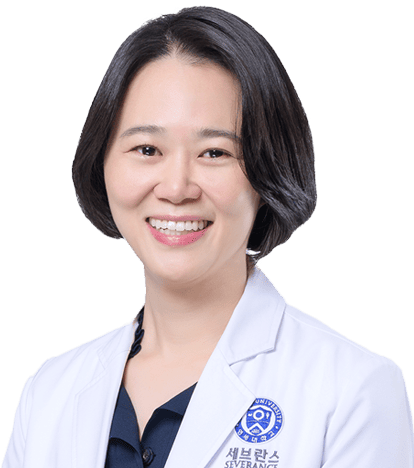

Lecturer
0.75 CE Credits
Orthodontic Treatment for Adults in the Era of 100-Year Lifespans
― A Hopeful Option in an Aging Society
人生100年時代の大人の矯正
~高齢社会におけるホープフルな選択~
- Selecting appropriate orthodontic appliances from the perspective of age-related changes in the oral environment
- Biomechanics for orthodontic appliances with light forces and minimal friction
- Hopeful changes associated with orthodontic treatment in older adults
- 高齢者の口腔内環境の変化の視点から考える適切な矯正装置の選択
- 弱く矯正力、摩擦をない矯正装置のためのバイオメカニックス
- 高齢者矯正に伴うホープフルな変化
Orthodontic treatment has traditionally been considered as a modality for children or young adults.
However, in the recent years, the scope of orthodontic care has expanded, and it is no longer uncommon to encounter orthodontic patients in their 60s and 70s.
Despite this shift, a persistent misconception remains that orthodontic treatment is mainly for esthetic improvement often at the expense of oral health.
This lecture aims to highlight the role of orthodontic treatment “in promoting/enhancing oral health” and clinical decision-making for successful treatment among older/mature adults.
Clinical cases, initially diagnosed as “hopeless” by other dental specialties that were successfully trasnformed into “hopeful” conditions through interdisciplinary orthodontic collaborations utilizing simple and light force biomechanics to overcome compromised conditions will be shared.
In addition, older patients’ path of visit, acceptance rates along with conscious and unconscious perceptions on rejuvenation and positive outcomes will be discussed to prepare for the era of 100 year-life.
However, in the recent years, the scope of orthodontic care has expanded, and it is no longer uncommon to encounter orthodontic patients in their 60s and 70s.
Despite this shift, a persistent misconception remains that orthodontic treatment is mainly for esthetic improvement often at the expense of oral health.
This lecture aims to highlight the role of orthodontic treatment “in promoting/enhancing oral health” and clinical decision-making for successful treatment among older/mature adults.
Clinical cases, initially diagnosed as “hopeless” by other dental specialties that were successfully trasnformed into “hopeful” conditions through interdisciplinary orthodontic collaborations utilizing simple and light force biomechanics to overcome compromised conditions will be shared.
In addition, older patients’ path of visit, acceptance rates along with conscious and unconscious perceptions on rejuvenation and positive outcomes will be discussed to prepare for the era of 100 year-life.