





Session
Moderator
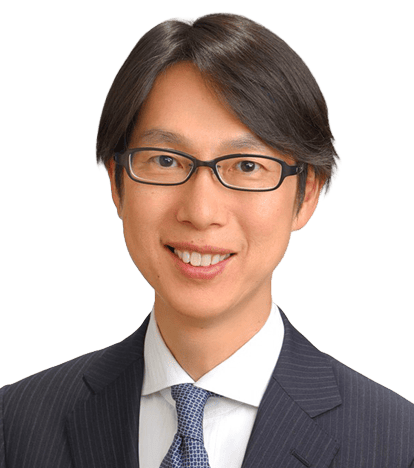

 Dr.
Dr.10/4(sun)
15:15 - 16:45
G701
Session 54
Expanding Treatment Strategies Through Prosthodontic–Orthodontic Collaboration
― A Live, Full-Arch Diagnostic Journey ―
補綴医と矯正医の連携で広がる治療戦略
〜診断はどう組み立てる?Liveでみえる全顎的診断プロセス〜
This session demonstrates collaborative treatment planning between prosthodontists and orthodontists through shared case analysis. Topics include optimal timing of orthodontic intervention to ensure long‑term prosthetic stability, effective communication strategies for information sharing, and critical interdisciplinary perspectives required for successful prosthetic outcomes.
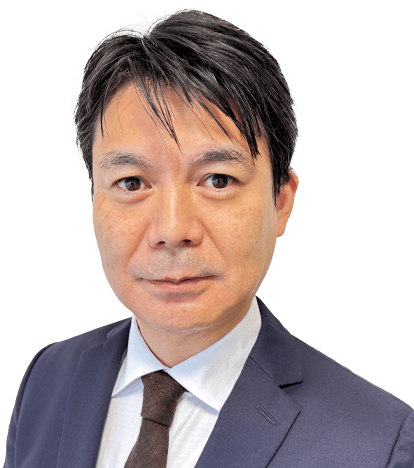
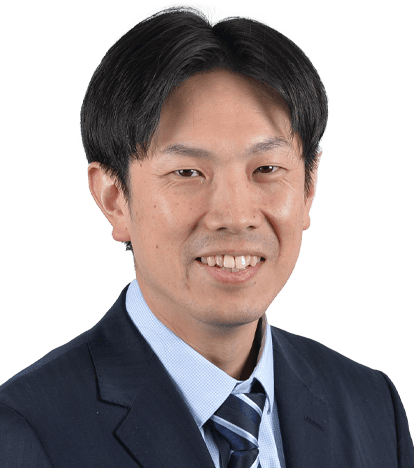
Lecturer
- Long‑term prosthetic stability starts with orthodontics.
Orthodontic treatment is often essential to eliminate the underlying causes before final restoration. This section outlines how to set treatment goals with the final prosthetic outcome in mind. - Why treatment intent fails to be communicated.
Miscommunication with orthodontists can lead to unintended plans or outcomes. This section explains how to organize and share key information—such as tooth axis, crown shape, jaw position, and occlusal plane—to convey intent accurately. - Orthodontic insights needed for prosthetic success.
This section highlights critical perspectives orthodontists must adopt—different from their usual clinical viewpoint—to help achieve the prosthodontist’s desired results.
- 補綴の長期安定は矯正から始まる
- なぜ意図が伝わらないのか?矯正連携のポイント
- 矯正医に求められる補綴成功のための着眼点
In recent years, interdisciplinary treatment between prosthodontists and orthodontists has become increasingly common to extend the longevity of dentition and to prevent or improve occlusal collapse.
However, simply dividing roles does not ensure that the final restorative goal is fully shared, often leading to variability in outcomes.
In other words, relying solely on each specialty is not sufficient.
The key is to improve diagnostic accuracy, define the final outcome, and share it before treatment begins.
Objective evaluation based on prosthodontic principles, cephalometric analysis, facial assessment, and intraoral findings allows alignment of treatment direction.
In this session, we will demonstrate, in a live format, how treatment planning is developed collaboratively.
However, simply dividing roles does not ensure that the final restorative goal is fully shared, often leading to variability in outcomes.
In other words, relying solely on each specialty is not sufficient.
The key is to improve diagnostic accuracy, define the final outcome, and share it before treatment begins.
Objective evaluation based on prosthodontic principles, cephalometric analysis, facial assessment, and intraoral findings allows alignment of treatment direction.
In this session, we will demonstrate, in a live format, how treatment planning is developed collaboratively.